Founder Effect

Autumn 2026San Diego, California

Next generation of biotech, built different

Biotech founders sit down with each other, and with the investors who will back work nobody has done before.

Request an invite 24 seats. Invitation and referral.

Why we are called Founder Effect

founder effectn. population genetics

When a small number of individuals break away from a larger population and establish a new one, they carry only a fraction of the original variation. The new lineage is not a copy of the old one. It evolves on its own trajectory.
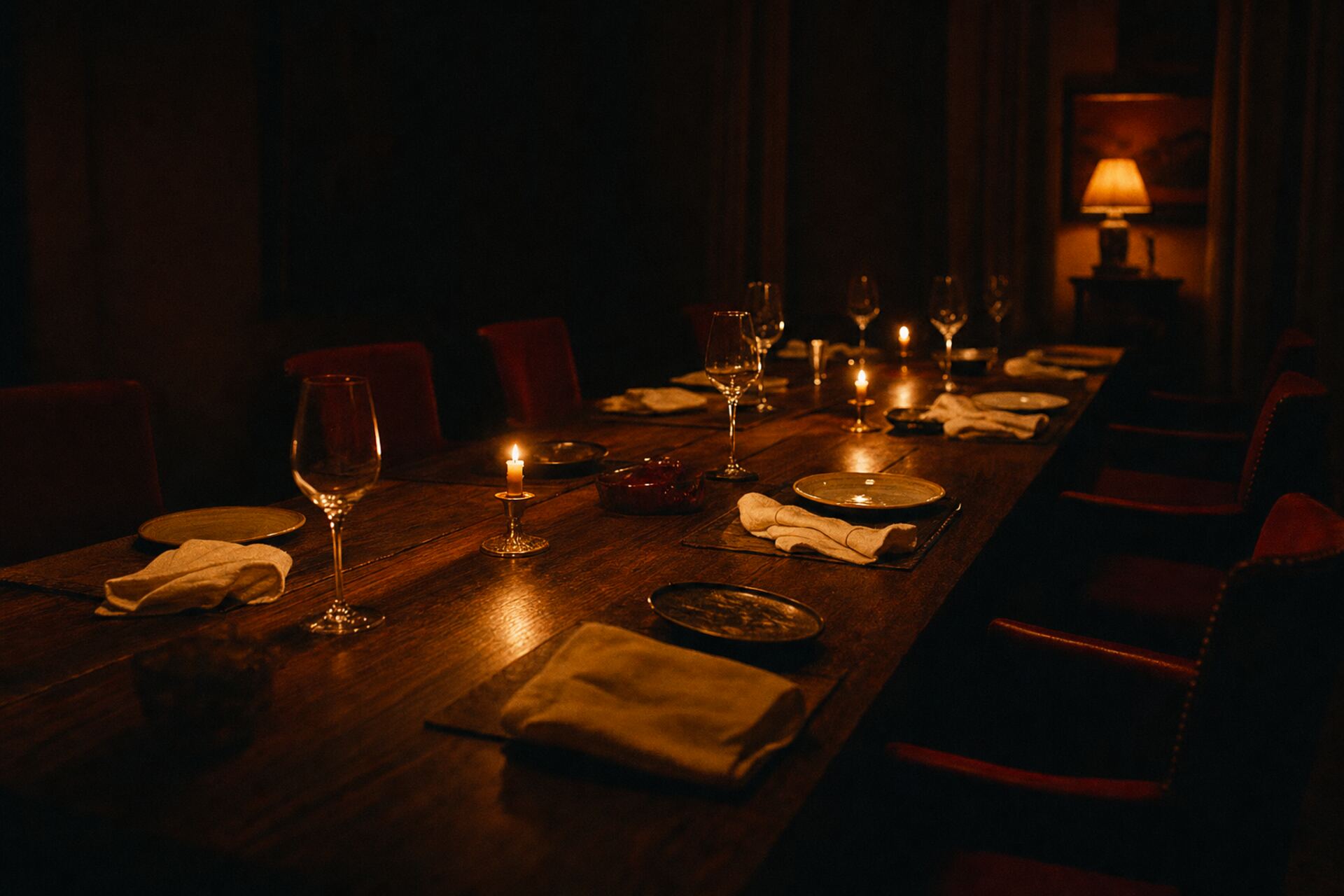

We took the name from population genetics because it describes what we are trying to do. A small group leaves, and what it builds is not a copy of what it left behind. That idea decides who we put in the room and what we ask them to argue about.

Why San Diego? Why now?

Biotech has been a closed industry for most of its life. The people who did well early on decided what got funded and who got taken seriously, and that worked out well for everyone inside the circle. A lot of good science never got a hearing.

That is changing. Ideas now move between companies instead of dying inside them, and founders here help each other long before they compete. The proposals worth hearing are the ones that sound impossible until somebody works out that they are merely difficult.

San Diego is the right place to test it. Dollar for dollar nowhere in America builds a drug company more efficiently: 18 of every 100 biotechs here are acquired, against 9 in San Francisco, and they return more than twice what a Boston company does.

That argument goes better with investors in the room than without them.

  • Open architecture

    What one company learns, the next one can use.

  • Real risk

    The best ideas here sound like bad ones at first.

  • No pedigree test

    The argument earns the seat, not the CV.

Business, science and capital at the same table

Founders, scientists and investors normally get introduced to each other by a banker or a lawyer. Here they just sit down together.

  1. 1

    One argument a night

    Every dinner runs on one argument. Two people who disagree open it, and after that it belongs to the table.

  2. 2

    The buyers and the money are at the table

    The people who buy companies and the people who fund them sit with everyone else rather than on a stage. We tell you who is coming before you accept.

  3. 3

    Competitors who still build together

    Some of us compete for the same money and the same people. We still build together, because the only thing that counts here is what reaches patients.

The arguments on the table

These are the sentences somebody will have to defend. The ones that split the room hardest get a table first, so tell us which side you are on.

24 seats, three hours and one argument

  1. 6:30pmPeople arrive and get a drink, then write two things on a card: what they are building, and what they are stuck on.
  2. 7:15pmEveryone sits down and we read out the argument for the night. Two people who disagree get four minutes each to open it.
  3. 7:30pmDinner comes out and the table takes the argument apart. Nobody presents, and nobody gets to sit it out.
  4. 9:30pmThe evening ends, and nothing said at the table leaves the room with a name attached.

We run six dinners a year, and a larger room every quarter for the people the dinners cannot seat.

Tell us what you are building

The first tables are small and they fill by referral. Tell us what you are working on, and name the two people you want in the room with you.

  • Seats per dinner24
  • Dinners a year6
  • EntryInvitation and referral
  • First seasonAutumn 2026

We read every request, and seats go first to people the room vouches for.

Our partners

We are assembling the first season now.

Strategic partners To be announced

Co-sponsors To be announced

Capability partners To be announced

Community sponsors To be announced

If your firm should be on this page, write to hello@joinfoundereffect.com.